
ST JOHN THE EVANGELIST, LITTLEWICK GREEN
Our services each month follow the same pattern (which you can find on the page here) but on the first Sunday we gather as a family and celebrate with our younger ones too. This is a communion service in church with a Sunday Club who meet in our Sunday Cabin - to find out more click here.
Despite being church land since its earliest mention in 940AD — the area south of the A4 belonging to the Abbey of Chertsey and that north owned by Hurley Priory — Littlewick had no public place of worship of its own for many centuries. Littlewick people, who cared for the abbots’ pigs in what was a heavily-wooded area, would have attended the churches at White Waltham and, later, Shottesbrook, using the footpath known as the burial path.
Ffiennes Manor (on the site of the present Ffiennes Farm) had a private chapel which was used as a chapel of ease, but this seems to have ceased before Elizabeth 1’s reign.
Finding Us
Bath Rd, Littlewick Green, Maidenhead SL6 3QR
Hours
The Church is open every day 11am – 4pm
See the services page for more details.
Latest updates from Littlewickgreen


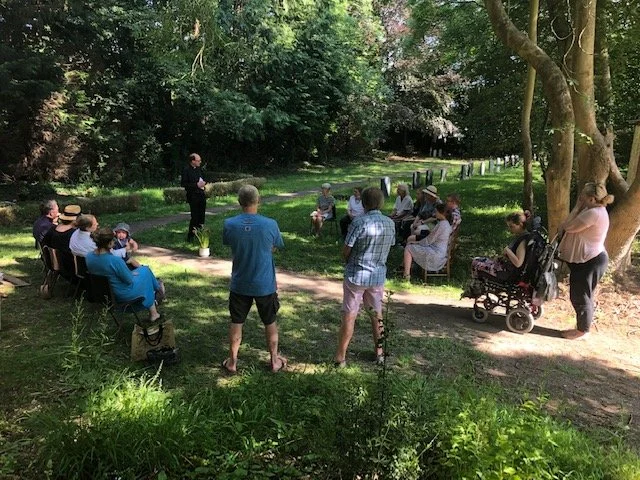
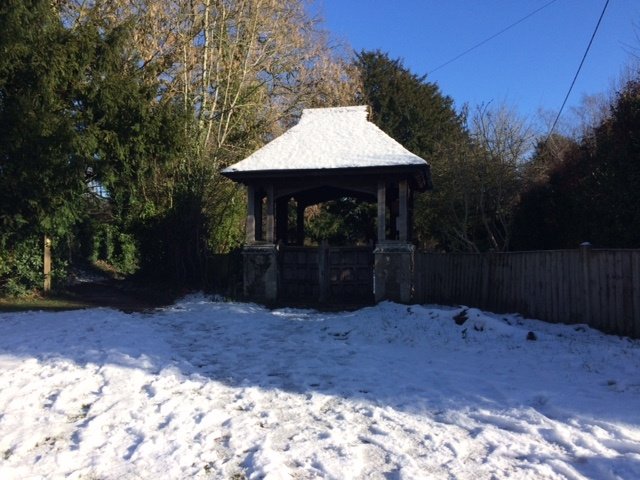


Harvest at St John’s 2022

Harvest at St John’s 2022

Harvest at St John’s 2022
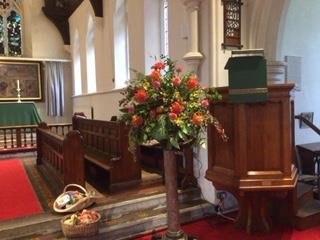
Harvest at St John’s 2022

Harvest at St John’s 2022

Harvest at St John’s 2022

Harvest at St John’s 2022


First Sunday club

The collation and induction of Tom Etherton as Vicar of Burchetts Green in St John’s Church 1st February 2022

The collation and induction of Tom Etherton as Vicar of Burchetts Green in St John’s Church 1st February 2022

The collation and induction of Tom Etherton as Vicar of Burchetts Green in St John’s Church 1st February 2022

The collation and induction of Tom Etherton as Vicar of Burchetts Green in St John’s Church 1st February 2022



images by Gill Williams - Isle of Skye

images by Gill Williams - Isle of Skye

images by Gill Williams - Isle of Skye

images by Gill Williams - Isle of Skye



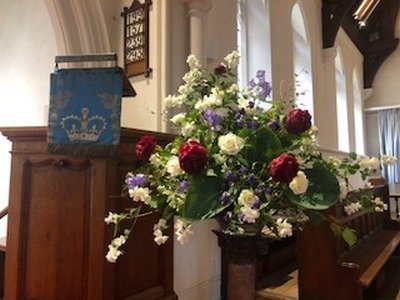
o celebrate the Queen’s Jubilee, we dressed St John’s with altar and pulpit silks made from the actual silks that adorned Westminster Abbey on the day of the Coronation.
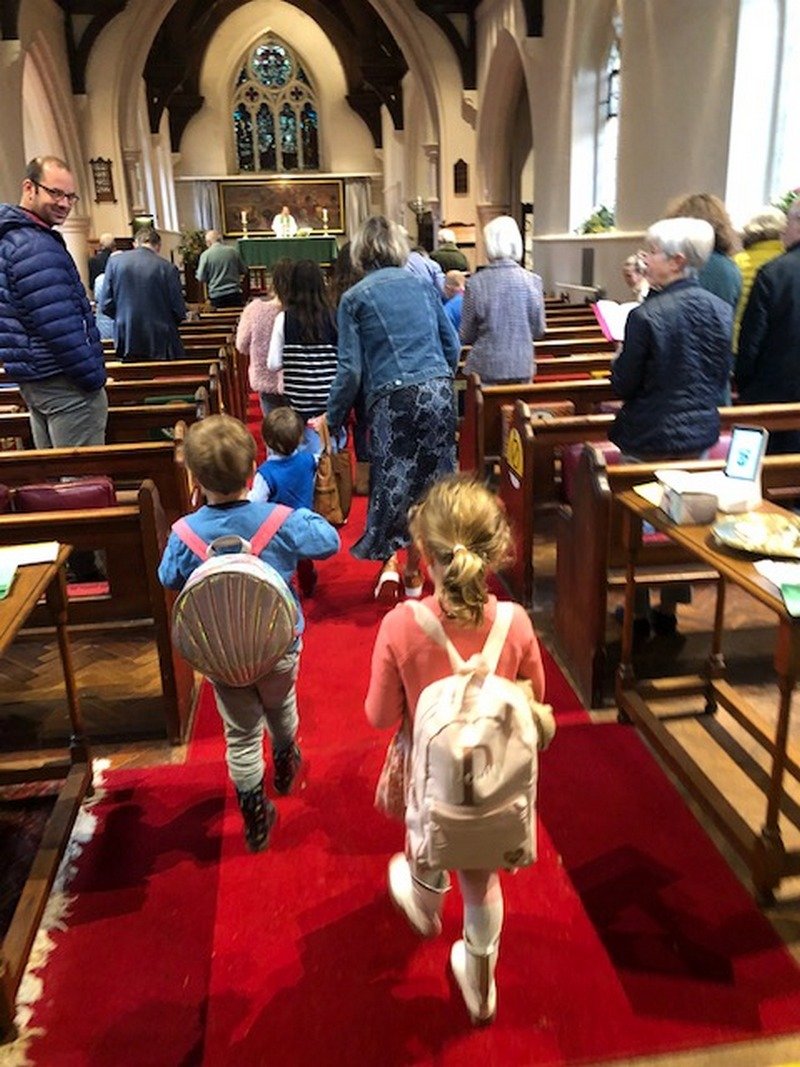
Second Sunday Club Meeting

Second Sunday Club Meeting

Second Sunday Club Meeting

Second Sunday Club Meeting
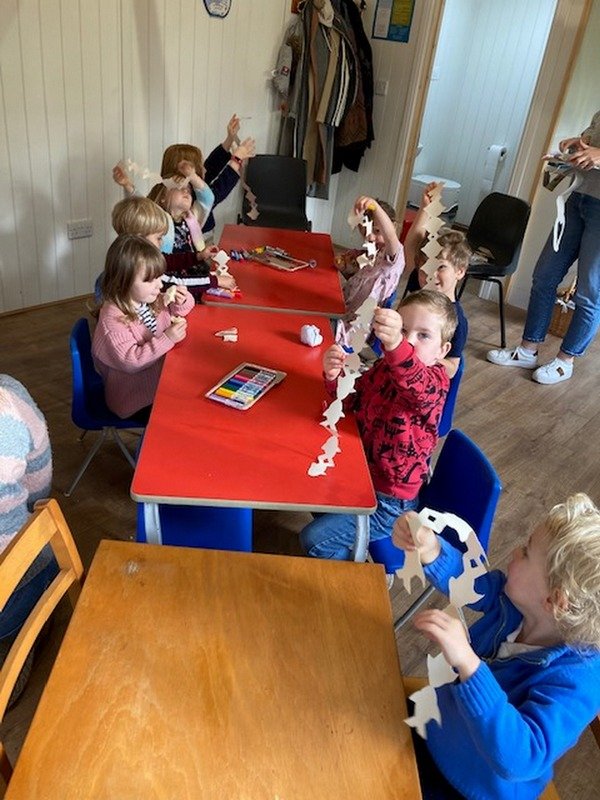
Second Sunday Club Meeting

Our first Sunday Club on Sunday!
ST JOHN THE EVANGELIST - HISTORY
Although a non-conforming congregation was listed in White Waltham in 1710, there is no saying it was in Littlewick. Indeed, although part of John Wesley’s Ruscombe house is now in Littlewick Lodge, there is no record of Methodist activity either.
The 18th century seemed a ‘sadly slack time as regards religion’ (as local historian Henry Bannard wrote) and only improved early in the 19th. At that time a handful with strong convictions became worried about Littlewick’s spiritual state and they either built, or had built for them, a wooden meeting house or chapel at the bottom of the Green.
The later, more solidly-built, chapel opened for worship around 1837. It became Congregational around 1860 and, after 1890, was finally settled as a Methodist church.

Despite its changing denominations Littlewick’s chapel was attended by people of all persuasions from its earliest days, due to the fact that there was no other place of worship very nearby. The first regular Church of England services only became available in 1875 when the new village school was consecrated for public worship.
Finally, in 1893, Miss Frances Elizabeth Ellis of Waltham Place provided £15,000 to build and endow a church at Littlewick adjoining the Green.
Maidenhead architect EJ Shrewsbury followed the Gothic style to create a church to seat 125 worshippers. It was built, by old-established builders Messrs R Silver & Sons of Tittle Row, in blue Pennant stone.


Littlewick’s church was consecrated and opened on Wednesday December 27 1893 — St John the Evangelist’s Day — by the Lord Bishop of Oxford. The first vicar, Thomas Henry Wrenford, started his duties immediately, only giving them up 40 years later due to ill-health.
Since then there have been 11 vicars. The 12th, Keith Nicholls took up his duties in 2009 and retired in 2020.
Cruciform in shape, Littlewick Church has a west turret above the porch which carries two bells. The north transept was dedicated as a children’s corner by Mrs Miller of Littlewick Place to the memory of her husband and son of six months. At the moment, it is used as a place for quiet prayer. In the larger south transept is the organ and vestry.

Villagers subscribed to a collection to install the present altar rails in memory of their first vicar after he died in 1935.
Littlewick Green Church The Great East Window, divided into four main ‘lights’, tells the story of the Nativity in mystical form and uses strong colour symbolism. It was designed and executed by James S Sparrow of King’s Cross, London. You can see his signature in the shape of a sparrow. The window was placed in the church by Mrs Gilchrist Thomas in memory of her son, Sidney.


The centenary was celebrated with a flower festival which coincided with 10th anniversary of birth of Ivor Novello. This composer, actor, filmstar and playwright lived in Littlewick from 1927 to his death in 1953. There is a bust of him in the church.
Courtesy of Lynn Penfold

St John’s Sunday School Cabin
After 2 years of planning, the new Sunday School Cabin was finished in March. This new facility at Littlewick Green, will satisfy the need of our younger families, for the start of a Sunday School. Initially, it will be available for families coming to worship, who need a quiet ....or not so quiet place during the service. A buzzer system will call them back for the Blessing. The new cabin, built in Canadian Cedar, has a small kitchen area as well as its own toilet. It will also serve as a general meeting room for St John’s.